|
MY FAVORITE ANCHORAGE: GUNA YALA Written by Kathy Manuel, SV Lorena
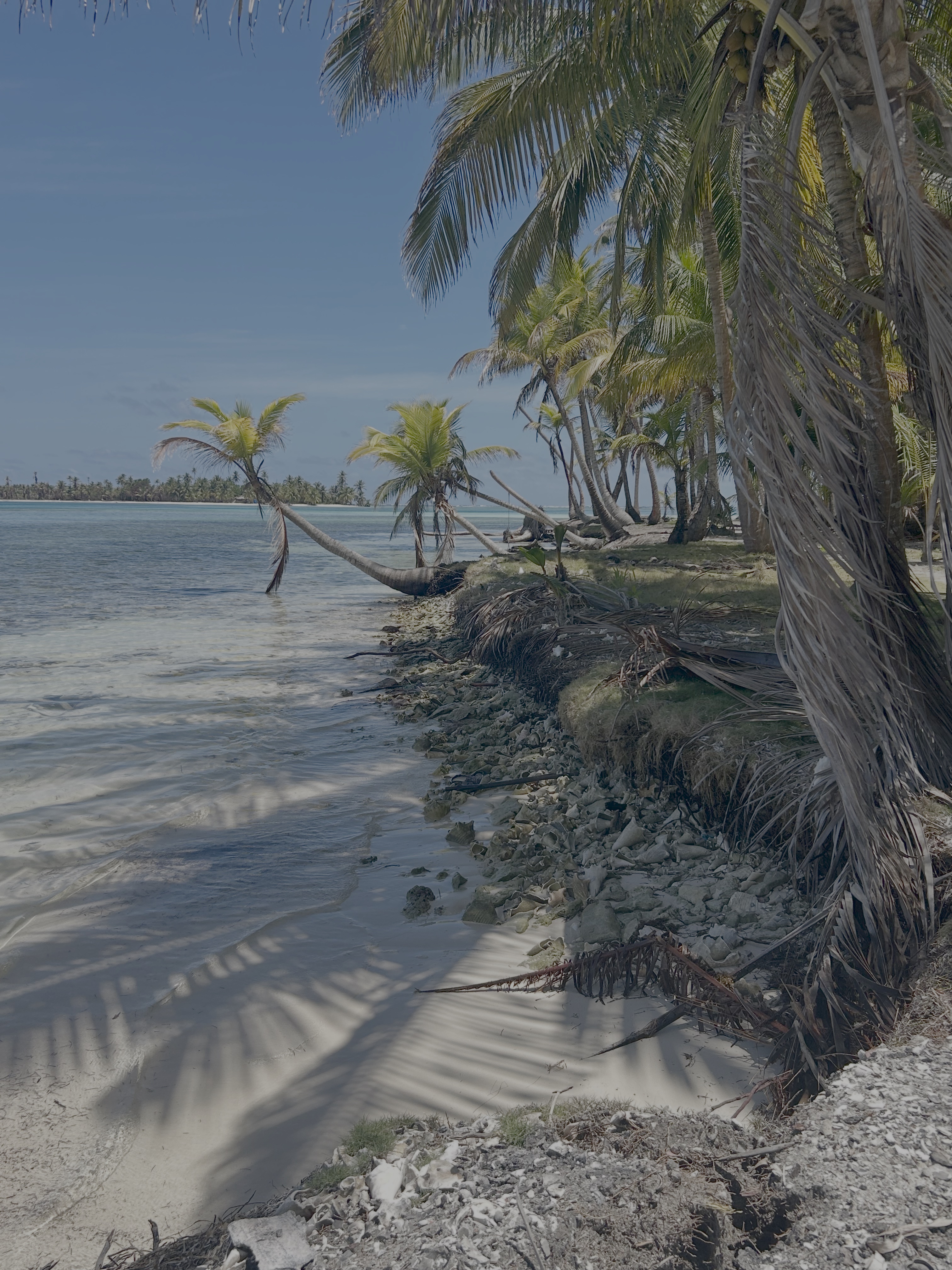
After years in the East, the idea of heading west was an easy sell - though perhaps with a little encouragement from Cathy. We island-hopped down the Antilles to Trinidad for refit work, preparing both boat and mindset for what lay ahead. The sail south had its share of unease. News of unrest near Venezuela, whispers of piracy, and the simple reality of open water kept us alert. From Trinidad we turned west, giving Grenada a wider berth than usual before settling into two rewarding weeks in Curaçao—a colorful, welcoming stop and a chance to prepare for what lay ahead. But nothing quite compared to the passage toward Colombia. Routing with Chris Parker from Curaçao, we set our sights initially on Santa Marta. Friends warned of katabatic winds and tricky entry conditions requiring daylight timing. A sailing friend reported such severe northerlies the marina had closed, leaving him rolling at anchor for days. With forecasts deteriorating, we pushed on to Cartagena instead. That passage fully earned its nickname - the “Cape Horn of the Caribbean.” Seas built steep and confused, gusts climbed into the 40s, and trailing waves struck hard from astern. Our newly rebuilt rudder groaned unnervingly, and sleep came in fragments. It was one of those sails where every mile feels earned. Cartagena, when we arrived, felt like stepping into another century. The Old Town pulsed with life—colonial architecture draped in bougainvillea, fruit vendors balancing vivid displays, and emerald sellers quietly plying their trade. After reprovisioning, we continued west toward Panama, where the wind turned kinder and the sea more forgiving. The San Blas Islands - known as Guna Yala - were a welcome contrast. This archipelago of more than 300 islands is home to the Guna people, who have preserved their culture and way of life across generations. Low, palm-covered islands rise from clear water, protected by reefs, with Panama’s mountainous mainland often visible to the south. Our first stop, Green Island, set the tone: calm anchorage, clear water, and a slower pace of life.
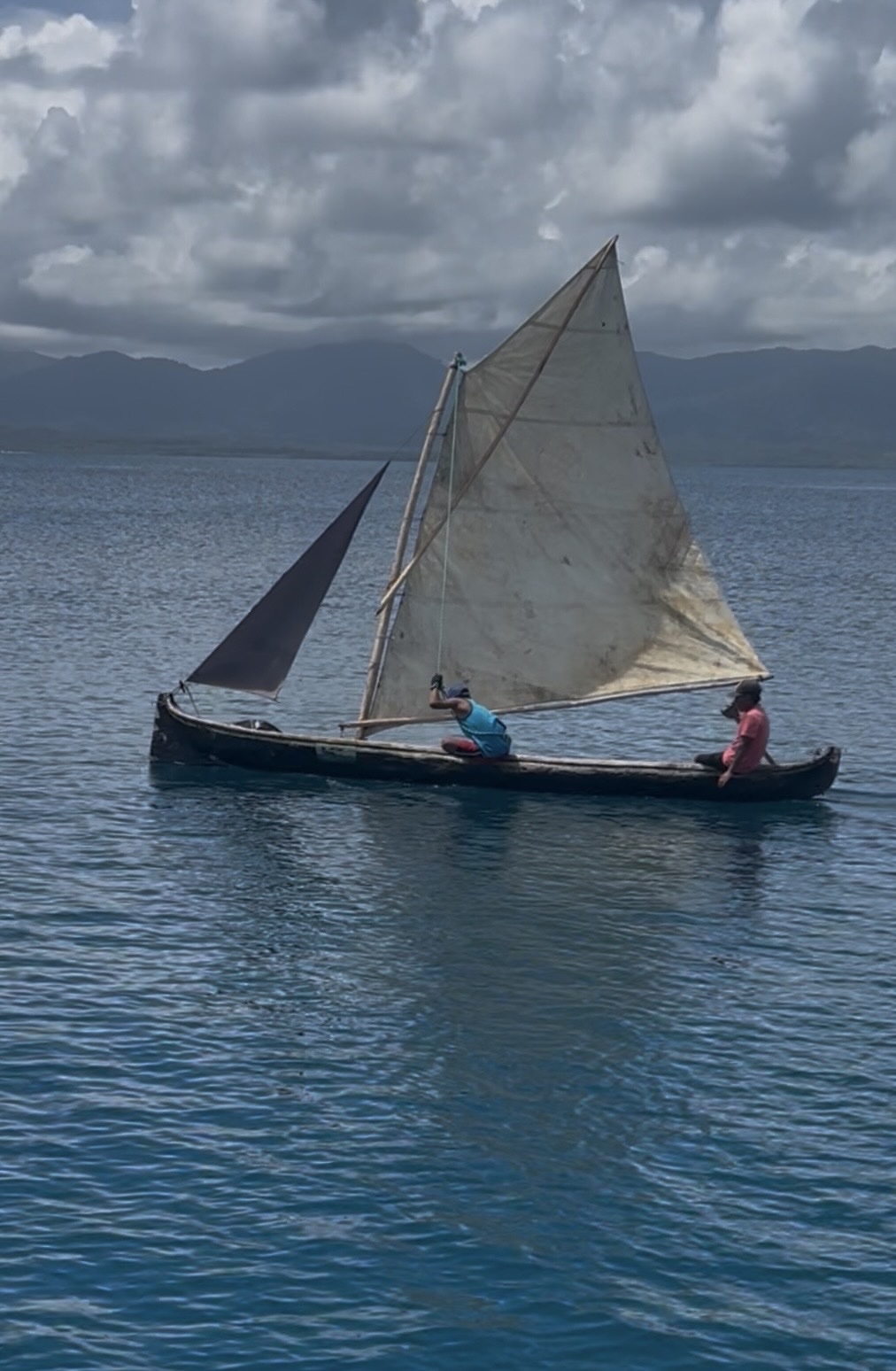
Life here revolves around simplicity. Dugout canoes, called Ula, glide up to Lorena, offering fresh fish, fruit, and beautifully stitched molas—each one telling a story in color and pattern. A little Spanish goes a long way, and cash is essential - there are no ATMs out here, so plenty of USD is key. While they sell their goods, they may also politely ask for small items like water, a cold beer, or even spare sunglasses - a simple and meaningful way to give back. Provision well before arriving - because once you’re here, you realize that’s the point. No marinas, no cars or supermarkets, no rush, just reef-protected anchorages, palm-lined islands, and the quiet satisfaction of having made the journey. For now, we’re exactly where we’re meant to be.
What's your favorite harbor? Email [email protected] |
 We knew we wanted to explore the western Caribbean, but aboard Lorena, we’ve learned not to plan too far ahead. At 43 years old, she keeps us humble - there’s always the question of what might need fixing next. So we take it one step at a time. Still, she has proven herself a capable and trustworthy partner. Leaving Hampton in November and working our way to Trinidad by early January, the familiar rhythm of the Eastern Caribbean - five seasons for Brian, two for Cathy - began to give way to something less predictable, and far more adventurous.
 Weather, as always, had other plans.
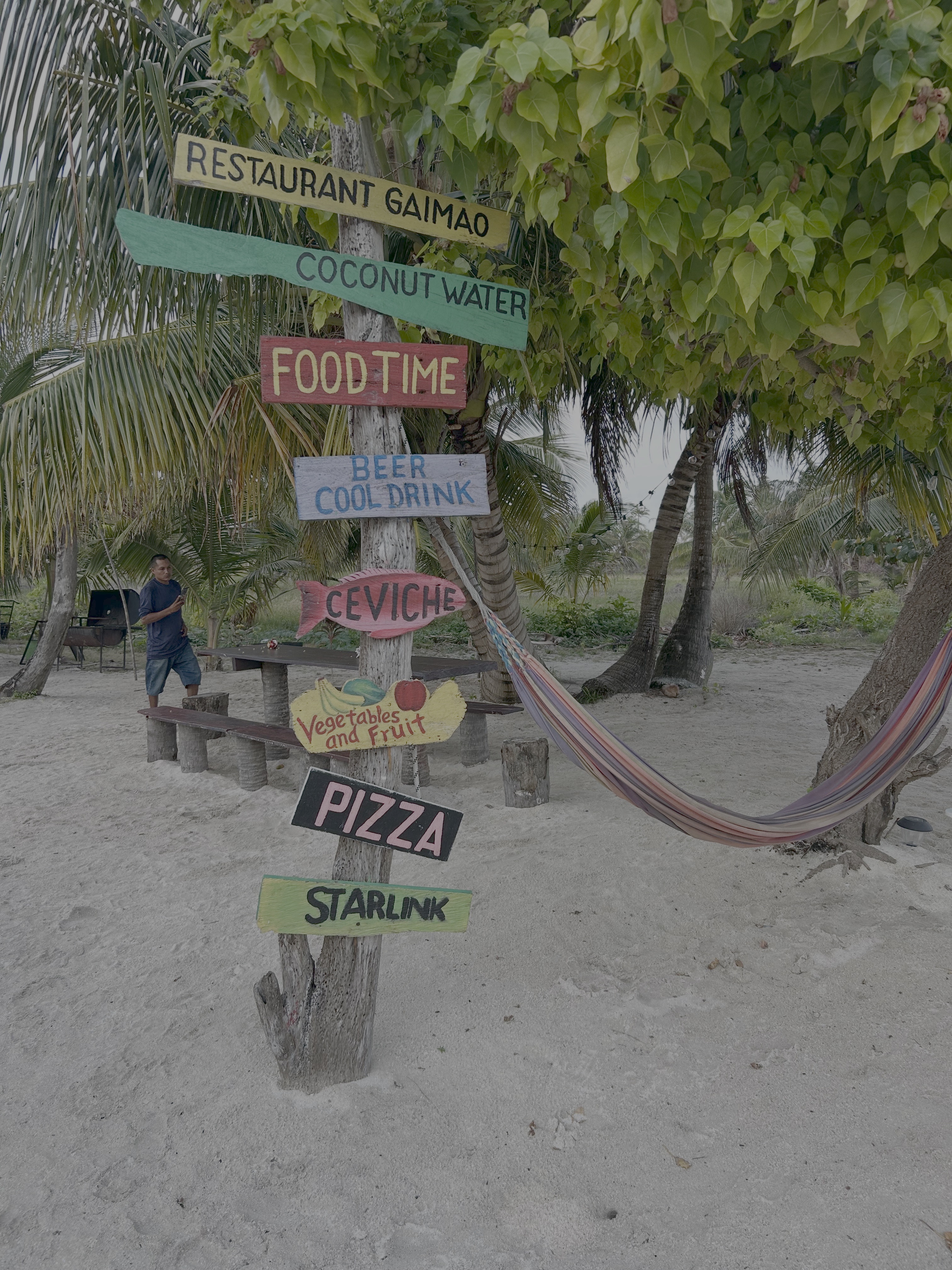 We checked in at Porvenir and explored anchorages like Chichime and Salaradup, the latter proving especially useful as a secure place to leave the boat at anchor when visiting Panama City or welcoming friends arriving from the mainland.
Our Major Sponsors
The Salty Dawg Sailing Association is a 501(c)(3) nonprofit educational and charitable organization.
QUICK LINKS
© Copyright 2020 Salty Dawg Sailing Association. All rights reserved.