|
SCOTTY JOINS THE CREW By Mike Benjamin, SV Exodus, President SDSA 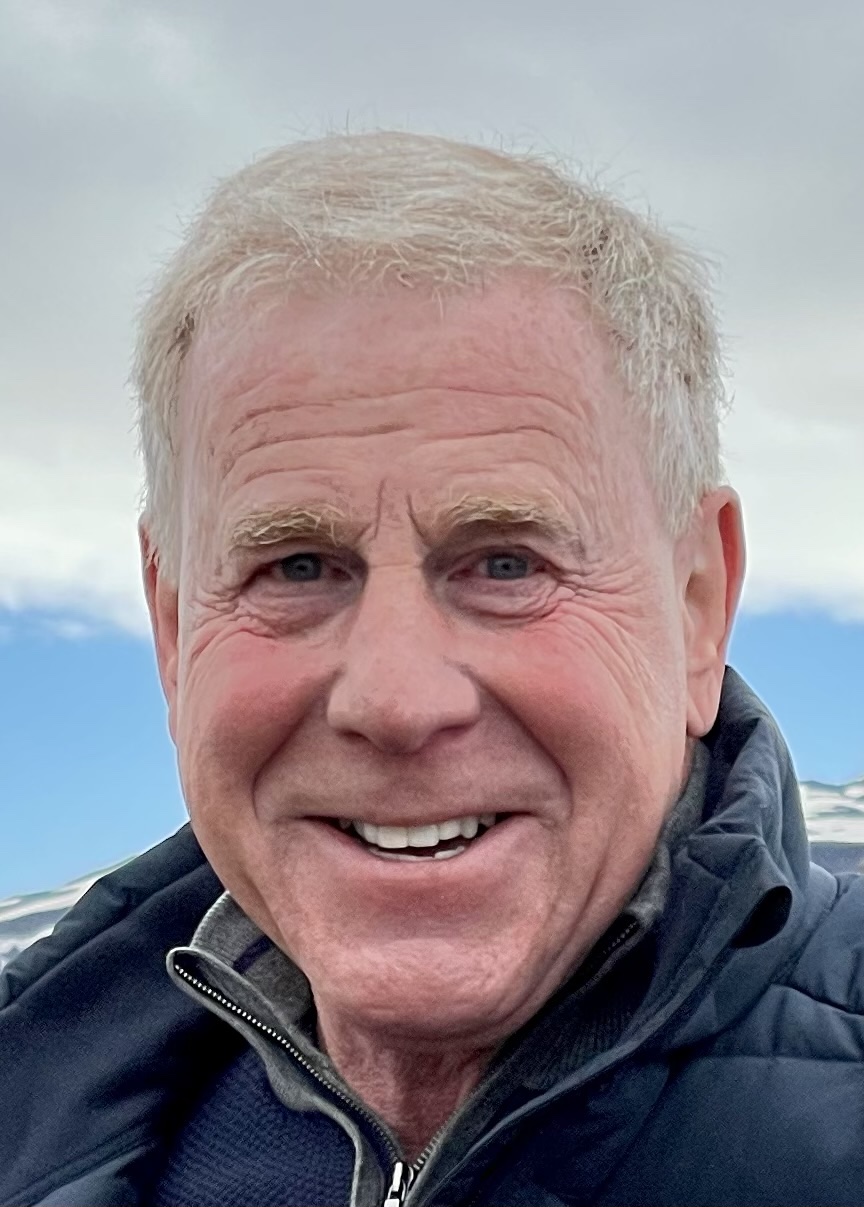
Over the past year, something unexpected has changed the way I maintain my boat. It is not a new piece of hardware, another device, or a subscription service. It is not a system upgrade or a refit. It is artificial intelligence. More specifically, it is my use of ChatGPT as a technical assistant while working through the inevitable mechanical and electrical challenges that come with owning and maintaining a modern cruising sailboat. I have even embraced my inner nerd and named it Scotty and insisted that it talk to me in a Scottish accent. After all, maintaining a sense of humor in the midst of cascading failures is important. At first, I was skeptical and hesitant. Do I really need this? Is it going to help, or will it become another time-consuming distraction? AI is being characterized simultaneously as an amazing transformative tool and a troubling technology. We hear about automation, disruption, and job replacement. Popular culture has not exactly been reassuring. Think, Terminator and Matrix. Setting aside the larger issue about whether AI will ultimately save civilization or accelerate its decline, my experience has been far more focused, practical, and personal. My “aha” moment came during a davit repair. What began as a mechanical issue led me into the electronics box mounted inside the system. Wires, relays, circuit boards, the sort of space where you move carefully and hope you are interpreting things correctly. It is also the sort of space where, historically, I would close the lid and declare the problem “electrical,” which is my boat-owner shorthand for, “we need to hire someone.” I took a photograph of the inside of that box and uploaded it to Scotty. The response was not a guess. Each component was identified. Each part’s function explained. The system logic was described calmly and methodically. In that moment, I realized I was experiencing something new: a knowledgeable 21st-century engineer looking over my shoulder, minus the hourly rate and scheduling delays. The second defining moment came during a generator calibration project. A small circuit board required delicate voltage adjustments. It was the kind of fine tuning that, done improperly, could easily create more problems than it solved. I was hesitant. But Scotty asked me to send him a close-up photo. What followed was steady, step-by-step guidance: first what not to touch, then what to adjust, by how much, and when to stop. The pacing mattered as much as the information. It slowed me down and gave me confidence to proceed carefully rather than retreat out of uncertainty. Those experiences were pivotal. Since then, I have used AI to interpret wiring diagrams, troubleshoot a windlass issue, add security improvements in the galley, think through inverter behavior, navigate Raymarine calibration menus that appear only briefly after startup, and refine weather routing decisions. I still turn the screwdriver and assume the risk, but I am no longer reasoning alone. That matters, especially at 10 p.m. in a dimly lit engine room. Eventually, I uploaded all the construction plans and manuals I could access about Exodus so that the guidance would be grounded in the specifics of my boat. Context matters. Boats are individual systems with individual histories. The more information available, the more thoughtful the analysis becomes. Preparation still matters, even when you have what amounts to a digital chief engineer on call. Cruising has always required self-reliance. We pride ourselves on solving problems far from shore support. What artificial intelligence has done for me is not replace that ethic but strengthen it. I t has increased my willingness to engage with systems I might previously have deferred to a yard or a technician. It has helped me ask better questions. It has made me more methodical, and occasionally more patient. I am still learning. I am still making mistakes. I am simply making fewer avoidable ones. This does not mean blind trust. AI can be wrong. It does not replace experience, judgment, or common sense. It cannot hear a vibration, smell overheating insulation, or sense when something simply feels off. Seamanship remains human, as do errors in judgment. But used thoughtfully, it becomes something powerful: a tireless analytical partner and seemingly infinite resource. Years ago, we embraced chart plotters and routing software, and more recently satellite internet. Sextants gave way to Loran. Loran gave way to GPS. Paper charts now share space with multifunction displays. Each new tool expanded our capabilities without eliminating responsibility. Artificial intelligence feels like a continuation of that evolution. I can only imagine what’s next, replicators? Wouldn’t that be nice. For me, the greatest change has been confidence. Instead of feeling isolated when facing a complex system issue, I feel supported. Exodus is not performing better because of magic new technology. She is performing better because I am more engaged with her systems. I maintain more proactively. I am calmer when something goes wrong. Confidence grounded in understanding leads to better decisions and steadier hands. Every generation of sailors adopts new tools. The responsibility remains the same. We are caretakers of vessels operating in demanding environments. The tools evolve. The obligation to use them wisely persists. Artificial intelligence is simply another tool in that progression. In a life defined by distant shores and self-reliance, having a steady chief engineer in the cockpit, one who does not sleep, does not complain, and tolerates my inner Trekkie has made this voyage a little more doable, and a little more interesting. I have likely only tapped the surface of what AI can do as I embrace this new technology with cautious enthusiasm.
Return to Newsletter Landing Page
|
Our Major Sponsors
The Salty Dawg Sailing Association is a 501(c)(3) nonprofit educational and charitable organization.
QUICK LINKS
© Copyright 2020 Salty Dawg Sailing Association. All rights reserved.